Separate plotted investing from apartment investing
A plotted development can appear simple because the product is land rather than a constructed apartment. In reality, the due-diligence questions are different and often more important. The buyer needs to understand title and documentation, access, plotting plan, development commitments, payment structure, surrounding demand and the practical route to a future sale.
That is why Assetwise keeps Green Hills separate from its Gurugram luxury positioning. The current ₹7,500 per sq. yard reference belongs to a different capital-allocation conversation from a luxury residence in Gurugram. Combining them in one investment ranking would be analytically weak.
Location should be tested physically
Map distance is useful, but plotted buyers should understand the actual approach. Road quality, the last-mile connection, surrounding habitation, nearby activity and the ease of reaching the site all affect how the opportunity feels to a future buyer.
The relationship to Triveni Dham, Shahpura, Khatu Shyam Ji and the Delhi–Jaipur Highway may support the location story, but the investor should still visit where possible and understand the exact site rather than relying on regional landmarks alone.
Documentation deserves professional review
Plotted investment requires careful documentation review. The advisor can organise documents and explain the transaction process, but title, approvals, legal enforceability and case-specific questions should be reviewed by the appropriate qualified professional.
The important point is to avoid treating legal diligence as a final formality after the commercial decision has already been made emotionally. It should be part of the decision before significant capital is committed.
The exit buyer should be understood
Plot investors should ask who is likely to buy later and what will make the specific location more desirable at that point. Is the future buyer another investor, a local end-user, someone seeking a second-home plot, or a buyer responding to wider regional development? The answer changes the holding-period logic.
Liquidity in plotted markets can differ materially from urban apartment resale. That does not make the investment unattractive; it means the investor should be comfortable with a realistic holding period and avoid assuming that exit will be immediate.
Payment structure and plot selection matter
Even when the starting investment is relatively accessible, buyers should understand the full payment schedule and any additional costs before committing. Plot dimensions, internal location, road width, corner positioning and the overall layout can also affect future buyer preference.
As with apartments, the project name is only the first layer. The actual plot can materially influence resale desirability. A disciplined buyer therefore chooses the development and the individual plot with the future market in mind.
Use the site visit to verify, not to be convinced
A plotted-development site visit should be structured before the buyer arrives. Carry the exact plot reference if available, the layout, the approach route and a list of documents or questions that still need clarification. Walk the access, understand the internal road hierarchy, locate the specific plot, observe neighbouring land use and record what is already delivered versus what is proposed.
The commercial discussion should happen after that verification, not before it. A lower ticket size can make buyers feel that extensive diligence is unnecessary, but the principles do not change with the amount invested. The buyer still needs to know exactly what is being purchased, how payments are structured, what rights and obligations apply, and what would make the plot desirable to a future buyer. A disciplined site visit is therefore part of the investment process, not a sales event.
Define the holding period before the token, not after it
Lower-ticket plotted investments are often purchased with a vague idea that the land can simply be held until “the area develops.” A stronger approach is to define the expected holding window, the events that could improve the investment case and the conditions that would make the investor reconsider. That does not create a guaranteed exit date, but it creates discipline.
The buyer should also decide in advance how much additional capital, if any, could be required during the holding period and whether the investment remains comfortable if resale takes longer than expected. A plotted investment works best when the investor is not forced to sell into a thin market because the capital was needed elsewhere. Liquidity planning is therefore part of due diligence, even at an accessible starting ticket.
What would make the plotted thesis stronger over time
A plotted-development thesis improves when the site becomes easier to reach, surrounding use becomes more established, promised internal development is visibly delivered, documentation remains clear and a broader buyer pool begins to recognise the location. These are practical developments that can improve usability and marketability.
The investor should distinguish these from general regional optimism. News about a broader corridor can be relevant, but the specific site still needs to become more desirable to a future buyer. Assetwise should track project-level and access-level progress rather than repeating the same regional narrative every year.
Do not let the lower ticket reduce the diligence
A smaller investment can feel easier to approve emotionally because the absolute amount is lower than a Gurugram luxury purchase. That does not mean the quality of diligence should fall. The investor is still buying an asset whose liquidity, documentation and future desirability need to be understood.
In fact, lower-ticket plotted investments can attract more impulse buying because the decision feels less consequential. The better approach is the opposite: use the accessible ticket to remain patient. Verify the plot, documentation, payment and holding comfort before committing. Opportunity is valuable only when the buyer understands what they own.
Verify the exact site and plot, review the relevant documentation with the appropriate professional, understand the full payment structure and decide what holding period remains comfortable if resale takes longer than expected.
Frequently asked questions
What is the current Green Hills price reference?
The current Assetwise business reference used on the website is ₹7,500 per sq. yard. Exact plot availability, payment schedule, plot-specific pricing and other charges should be reconfirmed.
Is the Green Hills image on the site an actual project photograph?
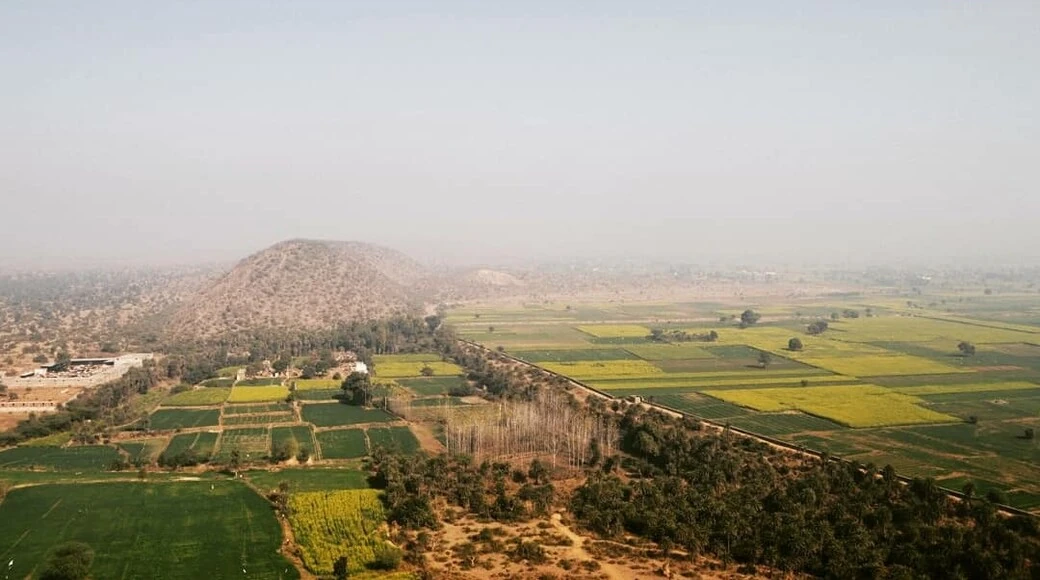
No. The current website clearly labels the landscape as representative regional imagery until approved project photography is available.
Should plotted land be compared with Gurugram apartments?
Not directly. The risk, documentation, liquidity and value drivers are different.
What is the most important first step?
Understand the exact site and documents before treating the investment as only a price-and-location decision.
Review the current ₹7,500 per sq. yard reference, 100 and 300 sq. yard price examples, location context and the private site-visit process.
Open the Green Hills project page →